Home    About

THE ENGLISH PATIENT – OR HOW NOT TO RUN A CAR INDUSTRY

All major economies in Europe, North America and Japan are experiencing a shift from manufacturing to service jobs. As manufacturing employments shifts to new economies in Asia, for example, the gap is filled by service skills. In this article I want to talk about a very special episode in the history of de-industrialistion – the collapse of the British motor industry. This story is not quite over yet. But it is nearly over.

2008-05-20

Read more


Biggest in the world – in 1950

In 1950 the UK motor industry was the second biggest in the world. After 1945 Europe was reconstructing itself after the war and Britain seemed to be in an enviable position – unlike Germany and France its industrial plant and political and economic system was largely undamaged and Britain’s car manufacturers were able to switch almost straight out of military production to making cars again. All over the world peace brought about a huge demand for new cars – which the UK was ready to fulfil. The 300,000 units that were exported per year at that time made the UK second only to the United States in motor manufacturing. But despite its size and apparent strength the sector was already sick. Like someone with an undiagnosed heart condition who thinks he is entirely healthy, while unseen and unawares the illness is developing - the British car industry already had problems. But they were not understood. Just like someone with heart disease who ignores the chest pains and breathlessness – the British car industry ignored the warning signs until too late.

2008-05-19

Read more


No mass production in UK

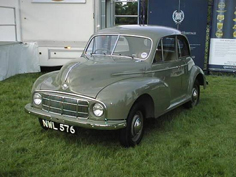
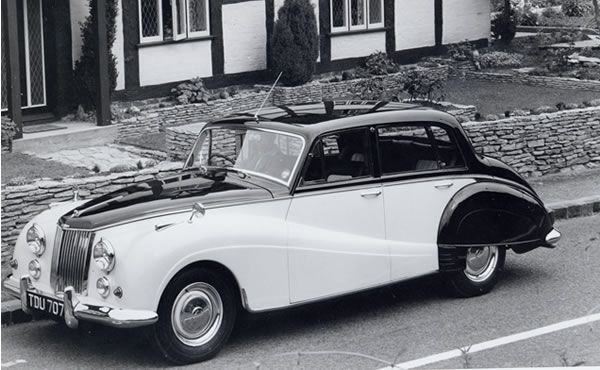
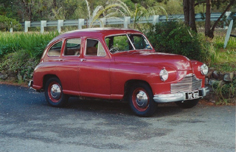
Car manufacturers all over the world were getting ready for the long post war boom when most manufacturers concentrated on a few basic models – but not the UK industry, which had never really taken to mass production on the American model. Even in the 1950s the only real mass production site in the UK was run by the American owned Ford Company in Dagenham East London. Although Morris, for example, produced the small Morris Minor, the typical British car of this era was a medium sized saloon with quite a high price, produced in small numbers.

2008-05-18

Read more


Lack of competition

I believe that the answer is to be found somewhere in the years after 1945 when the British car industry found itself in a world almost without competition, outside of North America. The temporary absence of German and French companies in the marketplace and the huge pent-up demand that the war years produced, meant that British companies had been able to make sales all round the world without having to strive for excellence in design, technology or marketing – or even price or reliability. They saw no reason why they should not simply start again from where they left off in 1939. unlike the Germans and later – the Japanese.

2008-05-17

Read more


The People’s Car - Volkswagen - was found in Germany in 1945

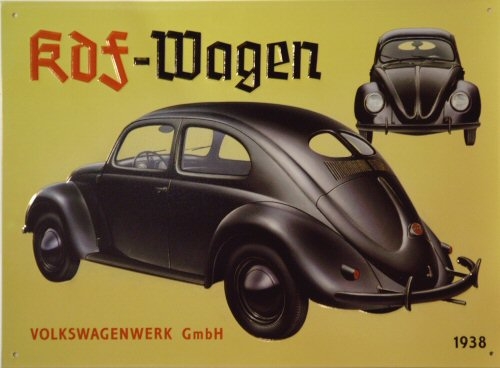
1947 was a fateful year for the European car industry – although few people would have realised it at the time. In 1945 a British Army officer – Major Ivan Hirst, on duty in the British sector of occupied Germany – had been given the job of making something of a bombed motor factory near the city of Wolfsburg, which had during the war years produced military vehicles.. He found among the ruins a car that had been in the 1938 Berlin motor show – the People’s Car or Volkswagen. Was it possible to make a factory producing these cars?

2008-05-16

Read more


No help from the the UK governements

British governments did not help much to prevent the sickness of the industry from starting. From the 40s right through until the 60s Government policy did not favour investment in manufacturing. The post-War Labour government gave priority to the launching of a welfare state with free health care and social security payments, and not to the modernisation of British industry. So when the German and French industrial plants were being rebuilt from zero, the British car manufacturers were still using old fashioned factories dating back to the beginning of the twentieth century – like the Morris factory at Longbridge, for example.

2008-05-15

Read more


Crisis in the British car industri by 1960

By the 1960s the motor industry was in crisis. Everything that could be wrong with the industry was wrong with it. Productivity was low, prices were too high. Reliability was terrible, and car deliveries were erratic. Most importantly – the British were losing the international race. In 1950 Britain exported 50% of the world’s cars. In 1962 that figure was 24%. In 1967 19%. In 1956 Germany overtook the UK in the number of cars produced. And the productivity of German manufacturing was so much higher than the UK that a VW could sell at two thirds of the price of it closest UK competitor the Morris Minor. The moment of truth was approaching when the patient has to say “I’ll have to go to the doctor. There must be something wrong with me.” By the 1960s it was recognised that “something had to be done.” The search was on for a cure.

2008-05-14

Read more


The Mini was a hopeful sign

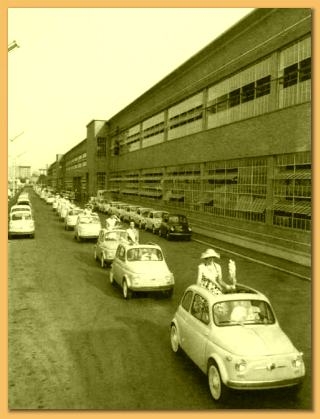
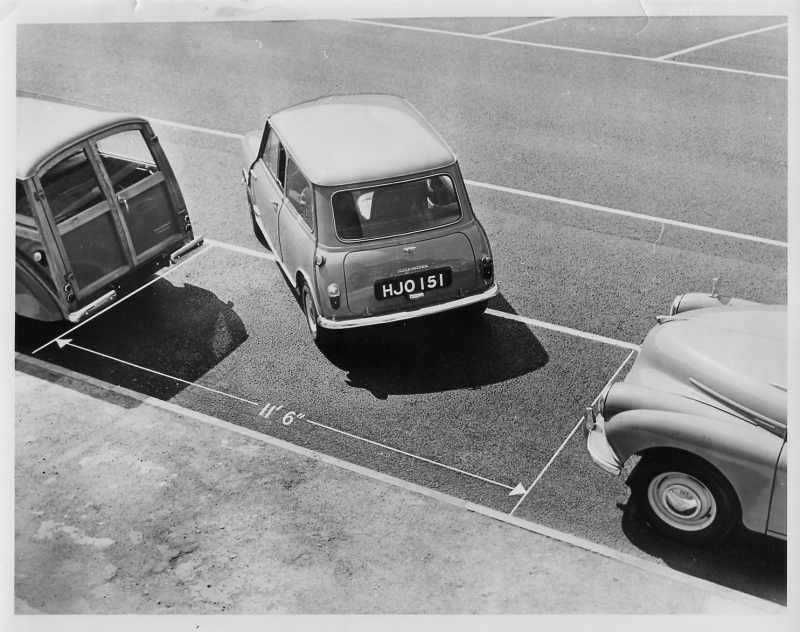
Yet British Leyland was still able to design interesting cars. The Mini when it came out in was innovative with a lot of interior space for its size and real car performance from its traverse engine. It was better than any of the baby cars on the market at the time – such as the Fiat 500, or the Isetta.

2008-05-13

Read more


The nationalisation mantra - 1974

In 1974 a think tank appointed by the left-leaning Labour government came up with a new cure. Nationalisation. Under state control the government can allocate just the resources that are needed. And also to make sure that the company is run in a way that is consistent with state policy – for example, to maintain maximum number of jobs. The government was quite unable to do anything about the real problems - the terrible industrial relations, the fragmented production, terrible quality and the lack of skills within the company of how to run a very large operation. And the very poor performance of the British economy did not help. This was the era when the whole British economy was crippled by strikes and industrial disputes.

2008-05-12

Read more


Internationalisation - 1981

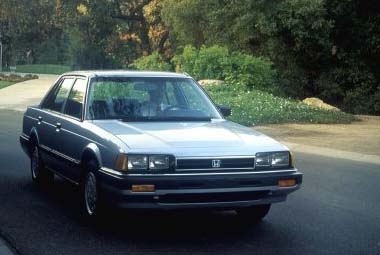
The first step was internationalisation. In 1981 the government brokered a partnership between Honda of Japan and British Leyland – which in the end meant that British Leyland assembled Honda cars in the UK under the Triumph Acclaim name. This allowed the British manufacturer to launch a new word class model in the UK market which it no longer had the resources to develop on its own.

2008-05-11

Read more


    Next >>